¶ Acrylic Selection Guide
¶ Overview
Acrylic, also known as polymethyl methacrylate (PMMA), is one of the most popular materials for laser cutting and engraving. Its excellent optical clarity, smooth cutting edges, and wide range of available colors make it a preferred choice for signage, displays, decorative products, prototypes, lighting components, and custom fabrication.
Not all acrylic sheets are manufactured the same way. Production methods, surface finishes, colors, thicknesses, and protective films can all affect laser processing results. Choosing the appropriate acrylic before starting a project helps improve cutting quality, engraving appearance, and production efficiency.
This guide explains the different types of acrylic and provides recommendations for selecting the right material for laser processing.
¶ Understanding Acrylic
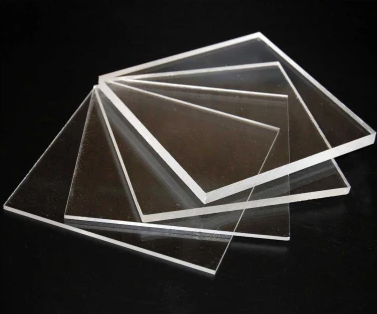
Acrylic is a transparent thermoplastic commonly referred to as acrylic glass because of its glass-like appearance. Compared with glass, acrylic is lighter, more impact resistant, and easier to machine.
For laser processing, acrylic offers several advantages:
- Excellent laser absorption with CO₂ lasers
- Smooth, flame-polished cut edges
- High optical clarity
- Consistent material structure
- Easy to engrave and cut
- Available in many colors, textures, and finishes
Because acrylic softens and vaporizes under laser energy, it can produce exceptionally clean edges when processed correctly.
Note
Acrylic (PMMA) should not be confused with polycarbonate (PC). Although they appear similar, these materials respond very differently to laser processing.
¶ Cast Acrylic vs. Extruded Acrylic
The manufacturing process has a significant influence on laser processing performance.
¶ Cast Acrylic
Cast acrylic is produced by pouring liquid acrylic resin into molds, where it cures into solid sheets.
Characteristics include:
- Excellent engraving quality
- Frosted white engraved appearance
- Superior optical clarity
- High resistance to stress cracking
- Wide selection of colors and specialty finishes
Typical applications include:
- Awards and trophies
- Decorative panels
- Signage
- Personalized gifts
- Artistic engraving
- Premium display products
Cast acrylic is generally recommended when engraving quality is the primary concern.
¶ Extruded Acrylic
Extruded acrylic is manufactured by continuously pushing molten acrylic through rollers to produce sheets with highly consistent thickness.
Characteristics include:
- More uniform sheet thickness
- Lower material cost
- Faster production process
- Smooth laser-cut edges
- Reduced engraving contrast compared with cast acrylic
Typical applications include:
- Precision-cut components
- Protective covers
- Display cases
- Mechanical parts
- General fabrication
Extruded acrylic is often preferred for applications where cutting accuracy and material consistency are more important than engraving appearance.
¶ Choosing the Right Thickness
Acrylic is available in a wide range of thicknesses. Selecting an appropriate thickness depends on the intended application and the laser system's cutting capability.
| Thickness | Typical Applications |
|---|---|
| 1–2 mm | Stencils, small decorative parts, labels |
| 3 mm | Signs, ornaments, display pieces |
| 5–6 mm | Boxes, stands, awards, architectural models |
| 8–10 mm | Structural components, premium displays |
| Over 10 mm | Industrial parts requiring higher-power CO₂ lasers |
As thickness increases, laser processing generally requires:
- Lower cutting speeds
- Higher laser power
- More effective Air Assist
- Accurate focus adjustment
- Greater attention to heat management
Always verify that the selected thickness is within the recommended cutting capacity of the laser machine.
¶ Choosing the Right Color
Laser performance is influenced not only by thickness but also by the color and transparency of the acrylic.
¶ Clear Acrylic
Clear acrylic is commonly used for:
- Display cases
- Windows
- LED lighting applications
- Awards
- Transparent enclosures
It produces highly polished edges when cut with a properly configured CO₂ laser.
¶ Colored Acrylic
Colored acrylic is available in translucent, transparent, and opaque varieties.
It is widely used for:
- Signage
- Decorative products
- Branding elements
- Retail displays
Different pigments may slightly influence cutting performance, although parameter adjustments are usually minimal.
¶ Specialty Acrylic
Manufacturers also offer specialty acrylic products such as:
- Frosted acrylic
- Matte acrylic
- Mirror acrylic
- Fluorescent acrylic
- Glitter acrylic
- Textured acrylic
These materials can often be laser processed successfully, but engraving appearance and cutting quality should always be verified with a small test before production.
¶ Surface Finishes
Different surface finishes affect the final appearance of laser-cut products but generally do not require significant changes to cutting parameters.
Common finishes include:
¶ Gloss Finish
Provides maximum transparency and produces highly polished cut edges.
Typical applications:
- Premium displays
- Retail fixtures
- Optical components
¶ Matte Finish
Reduces reflections and fingerprints while providing a modern appearance.
Typical applications:
- Interior signage
- Decorative panels
- Consumer products
¶ Frosted Finish
Creates a diffused appearance suitable for illuminated signs and privacy panels.
Laser engraving on frosted acrylic often produces subtle visual effects compared with clear acrylic.
¶ Mirror Finish
Mirror acrylic consists of an acrylic substrate with a reflective surface coating.
Because the reflective coating is more delicate than standard acrylic, care should be taken to avoid scratching the surface during handling and processing.
¶ Understanding Protective Film
Most acrylic sheets are supplied with a protective film on one or both sides.
The protective film helps:
- Prevent scratches during transport
- Reduce surface contamination
- Minimize smoke residue during laser cutting
- Protect finished surfaces during handling
Paper masking is generally preferred for CO₂ laser cutting because it withstands heat better and is easier to remove after processing.
Plastic protective films may shrink, melt, or leave residue depending on the material and processing conditions.
Always verify the manufacturer's recommendations before processing acrylic with the protective film in place.
¶ Materials to Avoid
Not every transparent plastic is suitable for laser processing.
The following materials should not be confused with acrylic.
¶ PVC (Polyvinyl Chloride)
PVC should never be processed with a laser.
When heated, PVC releases corrosive hydrogen chloride gas, which can:
- Damage machine components
- Corrode optical systems
- Create hazardous working conditions
¶ Polycarbonate (PC)
Polycarbonate is generally not recommended for laser cutting.
Compared with acrylic, it tends to:
- Burn rather than vaporize cleanly
- Produce dark, carbonized edges
- Generate excessive heat
- Result in poor edge quality
Mechanical machining methods are usually more appropriate for polycarbonate.
Warning
If the material type cannot be positively identified, do not process it with a laser. Always verify the manufacturer's material specifications before cutting.
¶ Storage Recommendations
Proper storage helps maintain the appearance and dimensional stability of acrylic sheets.
For best results:
- Store sheets flat to prevent warping.
- Keep the protective film in place until processing.
- Avoid prolonged exposure to direct sunlight.
- Store in a clean, dry environment.
- Protect surfaces from scratches during transportation and handling.
Good storage practices reduce material waste and improve the quality of finished products.
¶ Summary
Selecting the appropriate acrylic is essential for achieving high-quality laser cutting and engraving results.
Cast acrylic is generally the preferred choice for engraving because it produces a bright, frosted finish with excellent detail. Extruded acrylic offers superior thickness consistency and is often selected for precision cutting applications.
When selecting acrylic, consider the manufacturing method, thickness, color, surface finish, and protective film. Avoid materials such as PVC and polycarbonate, which are not suitable for standard laser processing.
Careful material selection improves processing efficiency, reduces defects, and helps produce consistent, professional-quality results.
¶ See Also
- Acrylic Laser Cutting Best Practices
- Acrylic Cutting Troubleshooting
- Laser Lens Selection Guide
- Air Assist Guide
- Laser Safety Guide
¶ Frequently Asked Questions
¶ Which type of acrylic is better for laser engraving?
Cast acrylic is generally recommended because it produces a bright, frosted engraving with excellent contrast and fine detail.
¶ Which type of acrylic is better for laser cutting?
Extruded acrylic is often preferred for precision cutting due to its consistent thickness and smooth cut edges. Cast acrylic also cuts well and may be selected when both cutting and engraving are required.
¶ Can colored acrylic be laser cut?
Yes. Most colored acrylic sheets can be cut successfully with a CO₂ laser. Small parameter adjustments may be needed depending on the pigment and sheet thickness.
¶ Why shouldn't PVC be laser cut?
PVC releases corrosive and hazardous gases when exposed to laser energy. These gases can damage laser equipment and present serious health and safety risks.
¶ Should I remove the protective film before laser cutting?
In many cases, the protective film can remain in place during cutting to help reduce smoke residue and protect the surface. Always follow the acrylic manufacturer's recommendations, as different masking materials may respond differently to laser processing.