¶ Plywood Selection Guide
¶ Overview
Plywood is one of the most widely used materials in laser cutting and engraving. Its layered construction provides better dimensional stability and strength than solid wood, making it suitable for a wide range of applications, including architectural models, decorative signs, boxes, furniture components, crafts, and custom products.
However, not all plywood performs the same under laser processing. Wood species, adhesive formulation, veneer quality, and manufacturing methods all influence cutting efficiency, engraving quality, edge appearance, and machine maintenance.
This guide explains how to choose plywood suitable for laser processing and highlights the material characteristics that have the greatest impact on cutting performance.
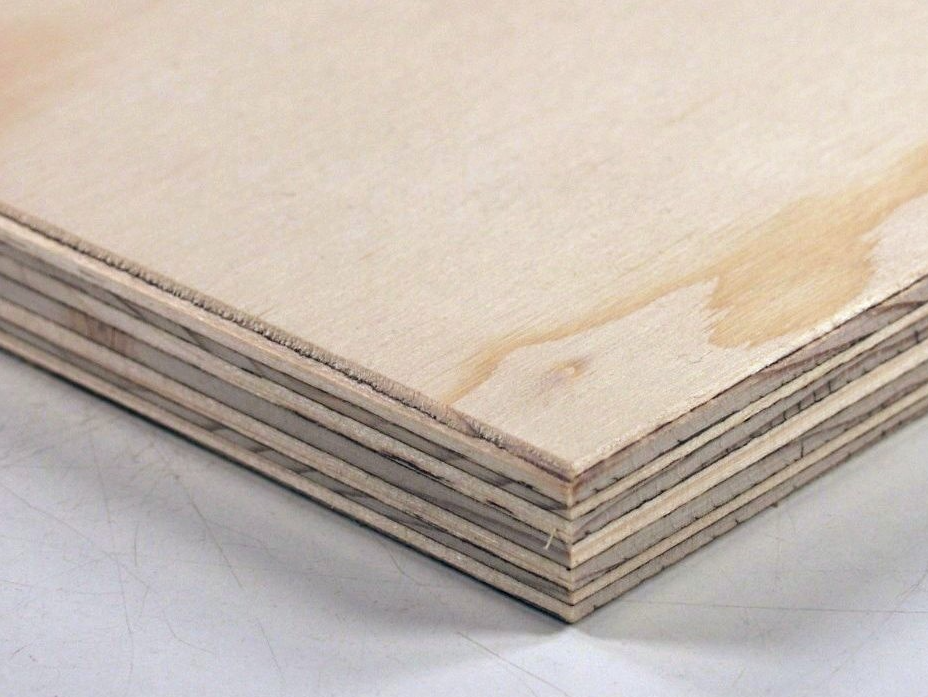
¶ Understanding Plywood Construction
Plywood is an engineered wood product made by bonding multiple thin layers (veneers) of wood together with adhesive. Each veneer is typically rotated 90 degrees relative to the adjacent layer, improving structural stability and reducing warping.
A typical plywood sheet consists of:
- Face veneer
- Core veneers
- Back veneer
- Adhesive layers between each veneer
Compared with solid wood, plywood offers several advantages for laser processing:
- Better dimensional stability
- Reduced expansion and contraction caused by humidity
- Higher strength-to-weight ratio
- More consistent sheet thickness
- Improved resistance to cracking and splitting
Although the wood veneers are the visible component, the adhesive between layers often has a greater impact on laser cutting quality.
¶ Factors That Affect Laser Processing
Several material characteristics determine how well plywood can be cut or engraved.
¶ Wood Species
Different wood species have different densities, grain structures, and resin contents. These properties influence:
- Cutting speed
- Engraving contrast
- Edge color
- Smoke generation
- Required laser power
Generally, softer woods require less energy to cut, while denser hardwoods may require slower speeds or higher laser power.
¶ Veneer Quality
High-quality plywood uses veneers with consistent thickness and minimal defects.
Poor veneer quality may contain:
- Knots
- Cracks
- Resin pockets
- Uneven density
These irregularities can produce inconsistent cutting depth or uneven engraving results.
¶ Internal Voids
Some low-cost plywood contains gaps or voids inside the core.
When the laser encounters an internal void, it may:
- Lose cutting efficiency
- Produce incomplete cuts
- Create uneven kerf widths
- Reduce structural strength of finished parts
Laser-grade plywood is manufactured with minimal internal voids and is therefore recommended whenever precision is important.
¶ Moisture Content
Wood naturally absorbs moisture from the surrounding environment.
Excessive moisture may:
- Increase cutting time
- Produce additional smoke
- Cause darker cut edges
- Reduce engraving contrast
Whenever possible, store plywood in a dry indoor environment before processing.
¶ Recommended Plywood Types
¶ Birch Plywood
Birch plywood is widely regarded as the best all-around material for laser cutting and engraving.
Advantages include:
- Uniform veneer layers
- Fine and consistent wood grain
- Minimal internal voids
- Smooth engraved surfaces
- Reliable cutting performance
- Typical applications include:
- Decorative products
- Precision mechanical parts
- Model making
- Boxes and organizers
- Layered artwork
- Educational projects
Because of its consistent quality, birch plywood is often considered the reference material when developing laser cutting parameters.
¶ Poplar Plywood
Poplar plywood is lighter and generally softer than birch.
Advantages include:
- Lower cutting resistance
- Faster cutting speeds
- Lightweight finished products
- Lower material cost
- Poplar plywood is commonly used for:
- Prototypes
- Craft projects
- Educational applications
- Lightweight structures
However, manufacturing quality varies significantly among suppliers. Before purchasing large quantities, inspect the plywood for flatness, adhesive consistency, and internal defects.
¶ Bamboo Plywood
Bamboo plywood is manufactured from laminated bamboo strips rather than traditional wood veneers.
Advantages include:
- Attractive natural appearance
- High dimensional stability
- Excellent engraving contrast
- Distinctive edge color after cutting
- It is frequently selected for:
- Premium signage
- Decorative panels
- Consumer products
- Gifts
- Sustainable product designs
Because bamboo fibers are relatively dense, cutting speeds may need to be reduced compared with poplar plywood.
¶ Plywood Types to Avoid
Not every plywood product is suitable for laser processing.
The following materials often produce inconsistent or poor results.
¶ Construction-Grade Plywood
Construction plywood is designed for structural applications rather than precision manufacturing.
It commonly contains:
- Thick glue lines
- Large internal voids
- Uneven veneer thickness
- Surface patches
- Mixed wood species
These characteristics often lead to:
- Incomplete cuts
- Heavy edge charring
- Excessive smoke
- Variable engraving quality
¶ Pressure-Treated Plywood
Pressure-treated plywood contains chemical preservatives that protect against insects and decay.
These chemicals may produce hazardous fumes when exposed to laser energy and should never be processed in a laser machine.
¶ Painted or Coated Plywood
Paints, laminates, and unknown surface coatings may release harmful gases or leave residues on machine optics.
Unless the coating is known to be laser-safe, avoid processing coated plywood.
¶ Choosing the Right Adhesive
The adhesive used between veneer layers significantly affects cutting performance.
High-quality plywood typically uses adhesives that create thin, consistent glue lines and produce fewer residues during laser processing.
Lower-quality adhesives often require more energy to penetrate and may produce:
- Increased smoke
- Sticky residue
- Darker cut edges
- Greater lens contamination
When purchasing plywood for laser applications, consider products specifically marketed for laser cutting or hobby manufacturing, as these are often manufactured with cleaner and more consistent adhesive systems.
Note:
Adhesive formulations vary by manufacturer and region. Product specifications should always be confirmed with the material supplier when processing large production batches.
¶ Selecting the Appropriate Thickness
The ideal plywood thickness depends on the intended application and the cutting capability of the laser machine.
| Thickness | Typical Applications |
|---|---|
| 1–3 mm | Models, ornaments, detailed engraving |
| 3–5 mm | Boxes, signs, craft projects |
| 6–9 mm | Furniture components, structural parts |
| 10 mm and above | Heavy-duty applications requiring higher laser power |
Thicker plywood generally requires:
- Slower cutting speeds
- Higher laser power
- Better Air Assist
- More accurate focus adjustment
- Additional cutting passes on lower-power machines
Selecting material that matches the capabilities of the laser system will produce more consistent results than attempting to process material beyond the machine's recommended cutting capacity.
¶ Material Inspection Before Processing
Before loading plywood into the laser machine, inspect each sheet for visible defects.
Recommended inspection checklist:
- Sheet is flat and free of warping
- Surface is clean and dry
- No visible delamination
- Minimal knots or cracks
- No large surface repairs
- Consistent thickness
- No unknown coatings or chemical treatments
Performing a quick inspection can help prevent cutting failures and reduce unnecessary machine downtime.
¶ Storage Recommendations
Proper storage helps maintain material quality.
For best results:
- Store plywood indoors in a dry environment.
- Keep sheets flat to prevent warping.
- Avoid prolonged exposure to direct sunlight.
- Protect material from excessive humidity.
- Allow cold materials to reach room temperature before processing if stored in low-temperature environments.
Proper storage improves consistency and reduces variations between production batches.
¶ Summary
Choosing the right plywood is the first step toward achieving clean, reliable laser cutting and engraving results.
For most applications, high-quality birch plywood provides the best balance of cutting performance, engraving quality, and dimensional stability. Poplar plywood offers a cost-effective alternative for lightweight projects, while bamboo plywood is an excellent option when appearance and sustainability are priorities.
Avoid construction-grade, pressure-treated, or chemically coated plywood whenever possible, as these materials often reduce cutting quality and may create safety concerns.
Evaluating wood species, veneer quality, adhesive consistency, thickness, and storage conditions before processing will improve both machining efficiency and final product quality.
¶ See Also
- Plywood Laser Cutting Best Practices
- Plywood Cutting Troubleshooting
- Air Assist Guide
- Laser Focus Adjustment Guide
¶ Frequently Asked Questions
¶ What is the best plywood for laser cutting?
Birch plywood is generally considered the best choice because it offers consistent veneer quality, minimal internal voids, reliable cutting performance, and excellent engraving results.
¶ Can construction plywood be laser cut?
It can be processed, but it is not recommended for precision work. Construction-grade plywood often contains voids, inconsistent glue layers, and mixed wood species that reduce cutting quality.
¶ Does plywood thickness affect cutting quality?
Yes. Thicker plywood requires more laser energy, slower cutting speeds, and stronger Air Assist. Machines with lower laser power may also require multiple cutting passes.
¶ Why is laser-grade plywood recommended?
Laser-grade plywood is manufactured with tighter quality control, more consistent veneers, and fewer internal defects, resulting in cleaner cuts, more predictable performance, and less machine maintenance.