¶ Fabric Selection Guide
Fabric is one of the most versatile materials used in laser processing. From personalized apparel and home décor to industrial textiles and fashion accessories, laser cutting and engraving enable precise, contact-free processing across a wide variety of fabrics.
However, not all fabrics respond to laser energy in the same way. Natural fibers, synthetic materials, and blended textiles each exhibit different cutting characteristics, engraving effects, and safety considerations. Selecting the appropriate fabric is the first step toward achieving clean edges, detailed engravings, and consistent processing results.
This guide introduces the most common fabric types, explains how they behave during laser processing, and highlights materials that should not be processed with a laser.
 |
 |
 |
 |
¶ Fabric Categories
Fabric materials can generally be divided into three groups based on their fiber composition.
¶ Natural Fabrics
Natural fabrics are made from plant or animal fibers. They typically absorb CO₂ laser energy efficiently and are widely used for engraving because they produce clear, high-contrast markings.
Common natural fabrics include:
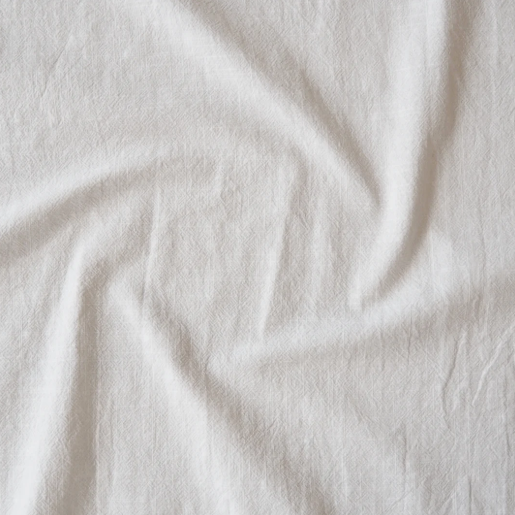
- Cotton
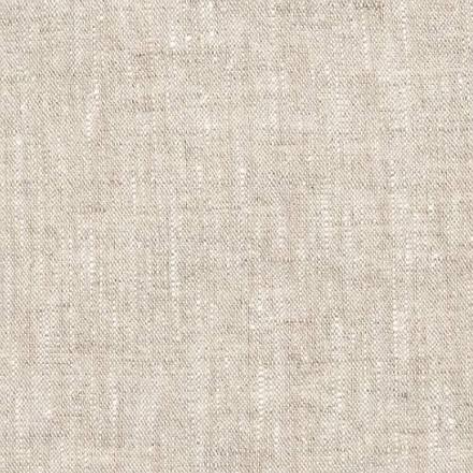
- Linen
- Denim
- Canvas
- Wool
¶ Characteristics
- Excellent laser absorption
- High engraving contrast
- Slightly darkened cut edges may occur
- Suitable for decorative engraving and cutting
Typical applications include:
- Apparel
- Tote bags
- Patches
- Home décor
- Quilting
¶ Synthetic Fabrics
Synthetic fabrics are manufactured from thermoplastic fibers. During laser cutting, these fibers melt slightly, sealing the cut edge and helping prevent fraying.
Common synthetic fabrics include:
- Polyester
- Nylon
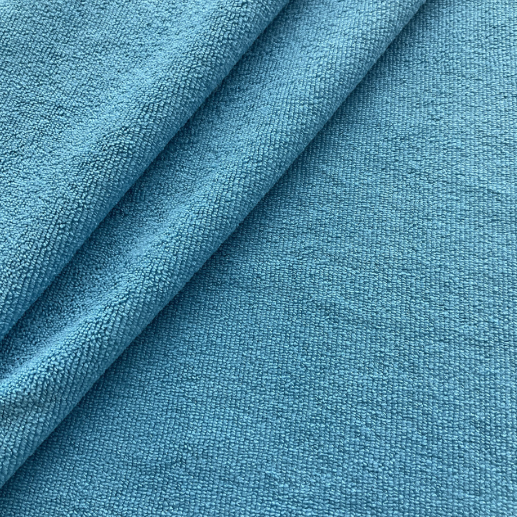
- Fleece
- Acrylic felt
¶ Characteristics
- Smooth, sealed cutting edges
- Minimal fraying
- High cutting efficiency
- Lower engraving contrast than natural fibers
Typical applications include:
- Sportswear
- Outdoor gear
- Industrial textiles
- Flags
- Decorative felt products
¶ Blended Fabrics
Blended fabrics combine natural and synthetic fibers to balance comfort, durability, and cost.
Common blends include:
- Cotton / Polyester
- Linen / Polyester
- Wool blends
¶ Characteristics
Laser performance depends on the fiber ratio.
For example:
- Higher cotton content generally produces darker engraving.
- Higher polyester content creates smoother cut edges with reduced fraying.
Whenever processing blended materials, perform a small test before production to determine the optimal laser settings.
¶ Fabric Compatibility
The following table provides a general overview of how common fabrics perform during laser cutting and engraving.
| Material | Cutting | Engraving | Notes |
|---|---|---|---|
| Cotton | ★★★★★ | ★★★★★ | Excellent engraving contrast |
| Linen | ★★★★★ | ★★★★☆ | Slight edge darkening |
| Denim | ★★★★☆ | ★★★★★ | Ideal for decorative engraving |
| Canvas | ★★★★★ | ★★★★★ | Durable and easy to process |
| Polyester | ★★★★★ | ★★★☆☆ | Sealed edges, lower engraving contrast |
| Nylon | ★★★★☆ | ★★★☆☆ | Smooth cutting, may melt if overheated |
| Felt | ★★★★★ | ★★★★☆ | Excellent for crafts and appliqués |
| Wool | ★★★★☆ | ★★★☆☆ | Requires careful heat control |
| Silk | ★★★☆☆ | ★★★☆☆ | Thin material, requires low power |
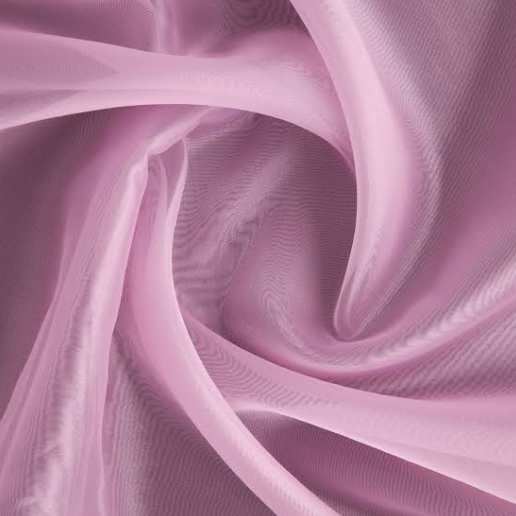
| Chiffon | ★★☆☆☆ | ★★☆☆☆ | Easily distorted by heat |
Note: Actual processing results may vary depending on fabric thickness, weave density, coatings, dyes, and machine configuration. Always perform a test on scrap material before full production.
¶ Materials to Avoid
Some fabrics should never be processed with a laser because they release hazardous gases or may damage the machine.
¶ PVC and Vinyl
PVC (Polyvinyl Chloride) and vinyl materials release hydrogen chloride gas when exposed to laser heat.
This gas can:
- Damage mirrors and lenses
- Corrode metal machine components
- Produce toxic fumes that are hazardous to operators
These materials should never be laser cut or engraved.
¶ Unknown Coated Fabrics
Some waterproof or flame-retardant fabrics contain coatings whose chemical composition is unknown.
Potential risks include:
- Toxic fumes
- Excessive smoke
- Sticky residues on optics
- Unpredictable cutting quality
If the coating composition cannot be confirmed, avoid laser processing.
¶ Artificial Leather with PVC Base
Not all artificial leather is laser-safe.
Some synthetic leathers use PVC as the backing material, which presents the same hazards as standard PVC.
Always verify the material specifications before processing.
¶ Preparing Fabric for Laser Processing
Proper material preparation improves cutting quality and helps prevent processing issues.
Before starting, check the following:
- Lay the fabric flat to eliminate wrinkles.
- Secure lightweight materials with magnets, weights, or a vacuum table.
- Remove dust, lint, and loose fibers from the surface.
- Confirm that the material contains no PVC or unknown coatings.
- Perform a small test cut or engraving to verify settings.
Taking a few minutes to prepare the material can significantly improve processing consistency and reduce waste.
¶ Choosing the Right Fabric
Different projects require different material characteristics.
For example:
- Cotton is ideal for detailed engraving and personalized products.
- Canvas offers excellent durability for bags, labels, and home décor.
- Denim produces high-contrast decorative engravings.
- Polyester is preferred when clean, sealed cutting edges are required.
- Felt is widely used for crafts, ornaments, and educational products.
Selecting the appropriate fabric based on your application helps maximize both quality and production efficiency.
¶ Frequently Asked Questions
¶ 1. Can all fabrics be laser cut?
No. Most natural and synthetic fabrics can be processed safely, but PVC-based materials, vinyl, and fabrics with unknown chemical coatings should never be laser processed.
¶ 2. Why do some fabrics have brown edges after cutting?
Natural fibers such as cotton and linen may develop slight discoloration because they char instead of melting. Reducing laser power or increasing cutting speed can help minimize this effect.
¶ 3. Why doesn't polyester fray after laser cutting?
Polyester is a thermoplastic material. During cutting, the laser melts the edge slightly, creating a sealed finish that resists fraying.
¶ 4. Should I wash fabric before laser engraving?
If the fabric contains sizing agents, oils, or surface treatments, washing it beforehand can improve engraving consistency. Always ensure the fabric is completely dry before processing.
¶ 5. Can colored fabrics be laser engraved?
Yes. However, engraving results vary depending on the dye, fiber composition, and fabric color. Dark-colored fabrics often produce more subtle contrast than light-colored materials.
¶ Related Articles
To continue learning about laser processing fabrics, see the following guides:
- Fabric Laser Cutting Guide — Learn recommended cutting workflows, machine setup, and starting parameters for common fabrics.
- Fabric Laser Engraving Guide — Explore engraving techniques, contrast optimization, and application examples.
- Plywood Selection Guide — Understand how different wood types affect laser cutting and engraving performance.
- Acrylic Selection Guide — Compare cast and extruded acrylic materials and choose the right acrylic for your project.